[et_pb_section fb_built=”1″ use_custom_width=”on” width_unit=”off” custom_width_percent=”90%” specialty=”on” module_class_2=”knots-section” _builder_version=”3.19.12″ custom_padding=”40px|0px|60px|0px|false|false”][et_pb_column type=”1_4″ _builder_version=”3.0.47″ parallax=”off” parallax__hover=”off” parallax_method=”on” parallax_method__hover=”on”][et_pb_sidebar area=”sidebar-1″ _builder_version=”3.11.1″]
[/et_pb_sidebar][/et_pb_column][et_pb_column type=”3_4″ specialty_columns=”3″ _builder_version=”3.0.47″ parallax=”off” parallax__hover=”off” parallax_method=”on” parallax_method__hover=”on” module_class=”knots-section” module_class__hover=”knots-section”][et_pb_row_inner custom_padding=”0px||40px||false|false” _builder_version=”3.11.1″][et_pb_column_inner type=”4_4″ saved_specialty_column_type=”3_4″ _builder_version=”3.0.47″ parallax=”off” parallax__hover=”off” parallax_method=”on” parallax_method__hover=”on”][et_pb_text _builder_version=”3.0.106″]
Fishing Knots & More
[/et_pb_text][et_pb_text admin_label=”toledo bend lake menu” _builder_version=”3.0.106″ global_module=”45249″ saved_tabs=”all”]
- Angler Rights
- Boat Lanes/Buoys
- Boat Lanes Map
- Certified Scales
- Fish Species
- Fishing Tips
- Fishing Knots & More
- Fishing License
- Fishing Records
- Guides
- Lake Level
- Lake Level History
- Launches
- Launches by Lake Level
- Best Fishing Times
[/et_pb_text][et_pb_text _builder_version=”3.19.12″]
Knots To Join Lines
[/et_pb_text][et_pb_text _builder_version=”3.19.12″]
Line To Tackle Knots Loop Knots Knots To Join Lines Basic Fishing Knots Fly Fishing Knots
[/et_pb_text][et_pb_divider color=”#000080″ divider_style=”dotted” divider_weight=”5px” height=”20px” _builder_version=”3.19.12″ custom_margin=”50px||”][/et_pb_divider][/et_pb_column_inner][/et_pb_row_inner][et_pb_row_inner custom_padding=”0|0px|40px|0px|false|false” admin_label=”Row” _builder_version=”3.0.47″][et_pb_column_inner type=”4_4″ saved_specialty_column_type=”3_4″ _builder_version=”3.0.47″ parallax=”off” parallax__hover=”off” parallax_method=”on” parallax_method__hover=”on”][et_pb_text _builder_version=”3.19.12″ text_font=”||on||||||” text_font_size=”24px” text_line_height=”32px”]
Lots Of Knots!
We want to help you learn all about more knots than you can imagine!
To view the video directions on tying the knot, just CLICK on the name.
[/et_pb_text][/et_pb_column_inner][/et_pb_row_inner][et_pb_row_inner custom_padding=”0|0px|0|0px|false|false” _builder_version=”3.19.12″][et_pb_column_inner type=”1_3″ saved_specialty_column_type=”3_4″ _builder_version=”3.0.47″ parallax=”off” parallax__hover=”off” parallax_method=”on” parallax_method__hover=”on”][et_pb_text _builder_version=”3.19.12″ text_font_size=”20px” text_line_height=”28px”]
[/et_pb_text][/et_pb_column_inner][et_pb_column_inner type=”1_3″ saved_specialty_column_type=”3_4″ _builder_version=”3.0.47″ parallax=”off” parallax__hover=”off” parallax_method=”on” parallax_method__hover=”on”][et_pb_text _builder_version=”3.19.12″ text_font_size=”20px” text_line_height=”28px”]
[/et_pb_text][/et_pb_column_inner][et_pb_column_inner type=”1_3″ saved_specialty_column_type=”3_4″ _builder_version=”3.0.47″ parallax=”off” parallax__hover=”off” parallax_method=”on” parallax_method__hover=”on”][et_pb_text _builder_version=”3.19.12″ text_font_size=”20px” text_line_height=”28px”]
[/et_pb_text][/et_pb_column_inner][/et_pb_row_inner][et_pb_row_inner custom_padding=”60px|0px|0|0px|false|false” module_id=”albright” _builder_version=”3.19.12″][et_pb_column_inner type=”1_2″ saved_specialty_column_type=”3_4″ _builder_version=”3.0.47″ parallax=”off” parallax__hover=”off” parallax_method=”on” parallax_method__hover=”on”][et_pb_text admin_label=”Albright Knot” _builder_version=”3.19.12″ text_font=”||||||||” text_font_size=”18px” text_line_height=”1.6em”]
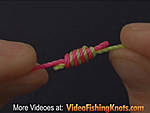
Albright Knot
The Albright Knot is by many considered the best knot for joining two lines of greatly differnt diameters or different materials. The albright knot is a great choice for attacing monofilament to braided line. In fly fishing it is often used to join the fly line with the backing line but it can be used whenever you need to tie two fishing lines together.
[/et_pb_text][/et_pb_column_inner][et_pb_column_inner type=”1_2″ saved_specialty_column_type=”3_4″ _builder_version=”3.0.47″ parallax=”off” parallax__hover=”off” parallax_method=”on” parallax_method__hover=”on”][et_pb_code _builder_version=”3.19.12″]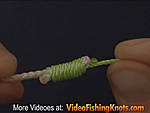
Blood Knot
The Blood Knot is used to join two similar size lines. The blood knot maintains a high portion of the line’s inherent strength and it is quick and easy to tie. In fly fishing it is often used when joining sections of leader together.
[/et_pb_text][/et_pb_column_inner][et_pb_column_inner type=”1_2″ saved_specialty_column_type=”3_4″ _builder_version=”3.0.47″ parallax=”off” parallax__hover=”off” parallax_method=”on” parallax_method__hover=”on”][et_pb_code _builder_version=”3.19.12″]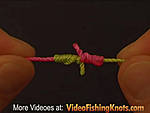
Cove Knot
The Cove Knot is a simple and easy way to join two monofilaments of different or similar diameters. It is not the strongest knot as it only retains around 60 percent of the line breaking strength. But if strength is not critical the cove knot provides a very easy and handy knot. Great for kids and beginners.
[/et_pb_text][/et_pb_column_inner][et_pb_column_inner type=”1_2″ saved_specialty_column_type=”3_4″ _builder_version=”3.0.47″ parallax=”off” parallax__hover=”off” parallax_method=”on” parallax_method__hover=”on”][et_pb_code _builder_version=”3.19.12″]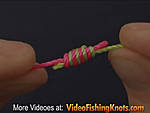
Double Blood Knot
The Double Blood Knot is used to join two similar size lines. The double blood knot maintains a high portion of the line’s inherent strength and it is quick and easy to tie. In fly fishing it is often used when joining sections of leader together.
[/et_pb_text][/et_pb_column_inner][et_pb_column_inner type=”1_2″ saved_specialty_column_type=”3_4″ _builder_version=”3.0.47″ parallax=”off” parallax__hover=”off” parallax_method=”on” parallax_method__hover=”on”][et_pb_code _builder_version=”3.19.12″]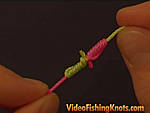
Double Centauri Knot
The Double Centauri Knot is a great knot for joining lines with similar and slightly different diameter. The double centauri knot is quick and fairly easy to tie and with a breaking strengh around 75 – 80 percent it makes a fine line to line knot.
[/et_pb_text][/et_pb_column_inner][et_pb_column_inner type=”1_2″ saved_specialty_column_type=”3_4″ _builder_version=”3.0.47″ parallax=”off” parallax__hover=”off” parallax_method=”on” parallax_method__hover=”on”][et_pb_code _builder_version=”3.19.12″]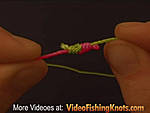
Double Four Fold Blood Knot
The Double Four Fold Blood Knot is used to join two similar size lines. The double four fold blood knot maintains a high portion of the line’s inherent strength and it is quick and easy to tie. In fly fishing it is often used when joining sections of leader together.
[/et_pb_text][/et_pb_column_inner][et_pb_column_inner type=”1_2″ saved_specialty_column_type=”3_4″ _builder_version=”3.0.47″ parallax=”off” parallax__hover=”off” parallax_method=”on” parallax_method__hover=”on”][et_pb_code _builder_version=”3.19.12″]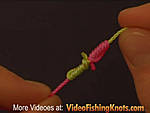
Double Grinner Knot
The Double Grinner Knot is a great knot for joining two monofilament lines. The two halves of the knot are tightened independently and that makes the not easy to handle. The lines can be of both different and similar diameters.
[/et_pb_text][/et_pb_column_inner][et_pb_column_inner type=”1_2″ saved_specialty_column_type=”3_4″ _builder_version=”3.0.47″ parallax=”off” parallax__hover=”off” parallax_method=”on” parallax_method__hover=”on”][et_pb_code _builder_version=”3.19.12″]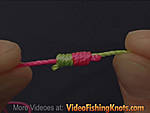
Double Paragun Knot
The Double Paragun Knot is a great knot for joining two monofilament lines. The two halves of the knot are tightened independently and that makes the not easy to handle. The lines can be of both different and similar diameters.
[/et_pb_text][/et_pb_column_inner][et_pb_column_inner type=”1_2″ saved_specialty_column_type=”3_4″ _builder_version=”3.0.47″ parallax=”off” parallax__hover=”off” parallax_method=”on” parallax_method__hover=”on”][et_pb_code _builder_version=”3.19.12″]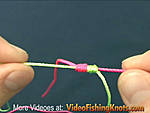
Double Uni Knot
The Double Uni Knot is used to join lines of similar of different diameters. It is based on the same system as a normal “single” uni knot. So if you learn the system you will be able to join lines or attach the line to end tackle with the same “knot system”.
[/et_pb_text][/et_pb_column_inner][et_pb_column_inner type=”1_2″ saved_specialty_column_type=”3_4″ _builder_version=”3.0.47″ parallax=”off” parallax__hover=”off” parallax_method=”on” parallax_method__hover=”on”][et_pb_code _builder_version=”3.19.12″]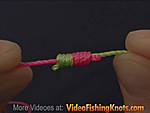
Improved Blood Knot
The Improved Blood Knot is a variation of the classic blood knot. This variation can be used when joining two lines of very different diameters. To improve strenght the lighter line is doubled before it is wrapped around the heavier one. The breaking strenght is around 75 percent.
[/et_pb_text][/et_pb_column_inner][et_pb_column_inner type=”1_2″ saved_specialty_column_type=”3_4″ _builder_version=”3.0.47″ parallax=”off” parallax__hover=”off” parallax_method=”on” parallax_method__hover=”on”][et_pb_code _builder_version=”3.19.12″]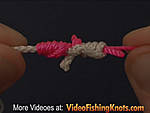
Simple Simon Double
The Simple Simon Double (also know as the albright knot) is by many considered the best knot for joining two lines of greatly differnt diameters or different materials. The simple simon double is a great choice for attacing monofilament to braided line. In fly fishing it is often used to join the fly line with the backing line but it can be used whenever you need to tie two fishing lines together.
[/et_pb_text][/et_pb_column_inner][et_pb_column_inner type=”1_2″ saved_specialty_column_type=”3_4″ _builder_version=”3.0.47″ parallax=”off” parallax__hover=”off” parallax_method=”on” parallax_method__hover=”on”][et_pb_code _builder_version=”3.19.12″]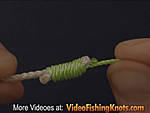
Slim Beauty Knot
The Slim Beauty Knot is a strong knot that is easier to tie than many of the alternatives. It is used for connecting monofilament to a heavier leader. The slim beauty knot retains around 85 percent of the lines original breaking strenght.
[/et_pb_text][/et_pb_column_inner][et_pb_column_inner type=”1_2″ saved_specialty_column_type=”3_4″ _builder_version=”3.0.47″ parallax=”off” parallax__hover=”off” parallax_method=”on” parallax_method__hover=”on”][et_pb_code _builder_version=”3.19.12″]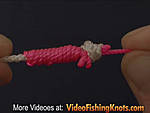
Surgeon’s Knot
The Surgeon’s Knot is a great multipurpose knot. The surgeon’s knot can be used for joining lines of both similar and different size. It can also be used with lines of differnt materials and works just as fine with lines of similar materials. The sugeon’s knot is quick to tie and so easy that it can be tied easily in the dark. It retains nearly 100 percent breaking strenght. All in all a great knot.
[/et_pb_text][/et_pb_column_inner][et_pb_column_inner type=”1_2″ saved_specialty_column_type=”3_4″ _builder_version=”3.0.47″ parallax=”off” parallax__hover=”off” parallax_method=”on” parallax_method__hover=”on”][et_pb_code _builder_version=”3.19.12″]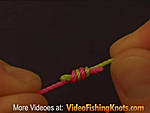
Water Knot
The Water Knot is a simple and easy way to join two monofilaments of different or similar diameters. It is not the strongest knot as it only retains around 60 percent of the line breaking strength. But if strength is not critical the water knot provides a very easy and handy knot. Great for kids and beginners.
[/et_pb_text][/et_pb_column_inner][et_pb_column_inner type=”1_2″ saved_specialty_column_type=”3_4″ _builder_version=”3.0.47″ parallax=”off” parallax__hover=”off” parallax_method=”on” parallax_method__hover=”on”][et_pb_code _builder_version=”3.19.12″]